Our planet is currently experiencing a climate crisis, and it is only getting worse. While most people know or have experienced the effects of climate change to some degree, there still remains a lot of misinformation on the subject. So what actually is “Climate Change”? The Earth naturally maintains its climate through a process called the greenhouse effect. In this process, the sun sends heat to the Earth. Some of this heat escapes back into space while a portion of the heat is trapped by gases in our atmosphere such as methane, carbon dioxide and water vapour. Without this process, the planet would be too cold to sustain life. However, stemming from the Industrial Revolution, our planet has begun to trap too much heat, altering our climate. The increasing temperature is already impacting our globe. Coastal and low-lying countries such as Tuvalu, Bangladesh, Sri Lanka, Fiji and the Maldives face the threat climate change brings every day. Applying sociological theories such as Marxism, Environmental Justice Theory and the World Systems theory, this article will explore both the contention and misinformation around climate change, as well as the responses of various countries to climate change.

i. Why the Wealthy can Deny and Ignore Global Warming
So why is there still a pattern of climate change denial and skeptism from politicians and billionaires such as Donald Trump (USA), Gina Rinehart (AUS), and Nigel Lawson (UK)? The answer can be explained through the theoretical application of Marxism. A commonality between all of these figures is that they can afford to deny or ignore climate change. They are more insulated from being directly harmed, they have a financial safety blanket and the potential for travel and mobility. Or they have made part of their money from activities that directly contribute to climate change. Those who are earning money from a job such as mining, for example, would benefit from denying the impact their activities have on the environment in order to continue earning money. Elon Musk has explicitly stated the dangers of climate change, however he continues to work in ways that contribute to global warming such as sending rockets into space, flying in a private jet and having a large carbon footprint. While Musk does promote and produce low-carbon technology such as Tesla, his personal lifestyle and aerospace activities seem to contradict these efforts.
Climate change could be referred to as a “rich man’s” choice to ignore. From Marx’s theoretical perspective the wealthy attempt to maintain the working social order so they can stay rich, and keep everyone else so busy working for them that they don’t realise they are being oppressed. This can be applied to climate change as the rich benefit from spreading misinformation about climate change, as it benefits the elites by delaying systemic change that could threaten existing profitable business practises and societal structures.
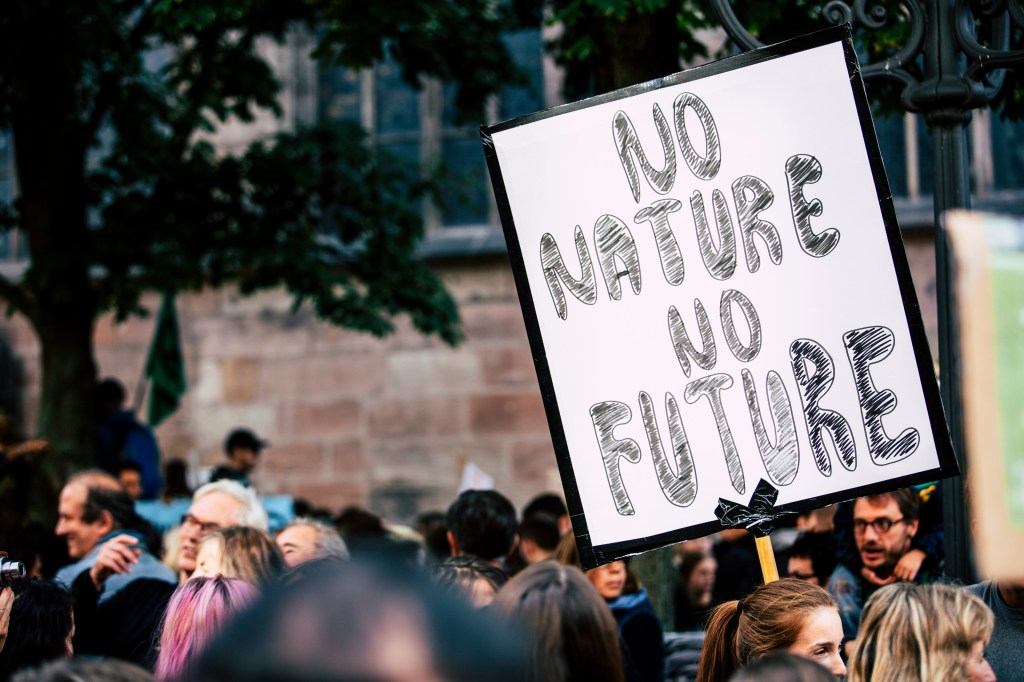
Governments also would stand to bear some of the large cost of shifting to sustainable practises. Hence, countries that are being less obviously impacted such as the UK, the USA and Australia may be slower to act than countries that are actively becoming uninhabitable.
Low lying islands such as Tuvalu, which stands only metres above sea level, are vulnerable to storm surges, the rising seas, coastal flooding and saltwater intrusion into fresh water and agricultural soils. Due to its small size and limited resources, it depends heavily on the resources and income sources it does have. Furthermore, islands such as the Maldives rely heavily on tourism for income. With the increased risks the climate crisis brings, tourism to island locations stands to decrease, impacting the economy of these islands.
Because of the dire impact that global warming is having, the Pacific Islands have been very vocal advocates for carbon reduction and action against climate change. However, these voices tend to be lost when competing with louder and larger countries such as the USA.
ii. Environmental Justice Theory
Strengthening this observation is the ‘Environmental Justice Theory’. This suggests that even though the wealthiest groups in society cause the most pollution, the poorest communities suffer the worst damage from the environment as they lack the resources to protect themselves. This situates climate change as an intersectional issue involving class, race and general global inequality. Women face higher displacement risks, indigenous communities may lose culture and land, children face long-term health risks, and as mentioned above, island nations face cultural extinction.
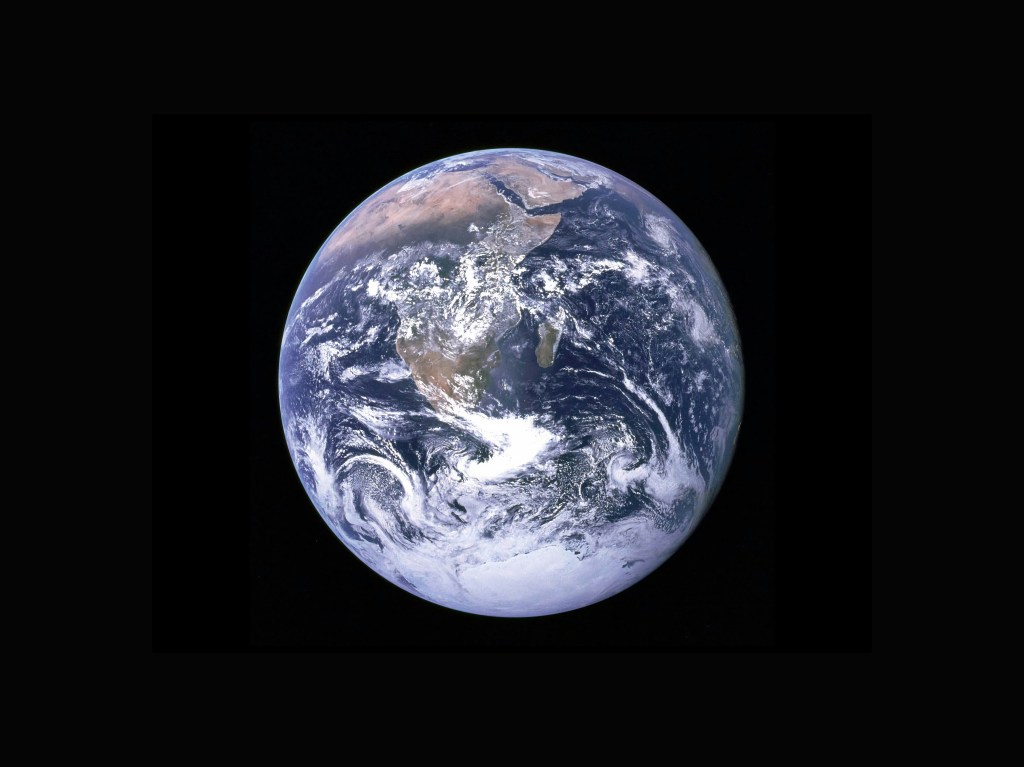
iii. Globalisation and World Systems Theory
Applying a final sociological theory to this crisis, Wallerstein’s Globalisation and World Systems Theory can deepen our understanding of why developing nations remain vulnerable against countries such as the USA, the UK and Australia. Wallerstein suggests that the world is divided into core countries (such as the USA, UK and AUS) and peripheral countries (such as Tuvalu, Bangladesh and Pacific Islands), in a system where the core countries extract resources, control industries and largely reap the rewards of said resources, while peripheral countries have little political power and suffer from enviromental consequences. This theory can explain why wealthier nations delay action against climate change, and why the voices of the pacific islanders are ignored.
iv. Conclusion
While there are more impacting dimensions to this expansive issue, drawing attention to the political-sociological influences from various conflict perspectives may assist inspiring the reader of this article to view the issue from a more nuanced perspective.
Written by C. Wesley
v. References
Chirot, D. 2001. World Systems Theory. International Encyclopedia of the Social & Behavioral Sciences. ScienceDirect. Pages 16609-16613. https://doi.org/10.1016/B0-08-043076-7/01891-X
Davis, J. 2025. Donald Trump’s ‘climate hoax’ comments belong to a well-resourced playbook landing on Australia’s shores. ABC News. https://www.abc.net.au/news/2025-09-29/trump-climate-hoax-comments-and-fossil-fuel-lobby/105810870
Lambert, R. 2008. Fuelling the debate on climate change. The Guardian. https://www.theguardian.com/books/2008/apr/19/climatechange.politics
Salem, S. 2020. Climate Change and the Sinking Island States in the Pacific. E-International Relations. https://www.e-ir.info/2020/01/09/climate-change-and-the-sinking-island-states-in-the-pacific/
United Nations. What is Climate Change? United Nations. https://www.un.org/en/climatechange/what-is-climate-change
Published 04 December 2025
 The Social Observer
Leave a comment